






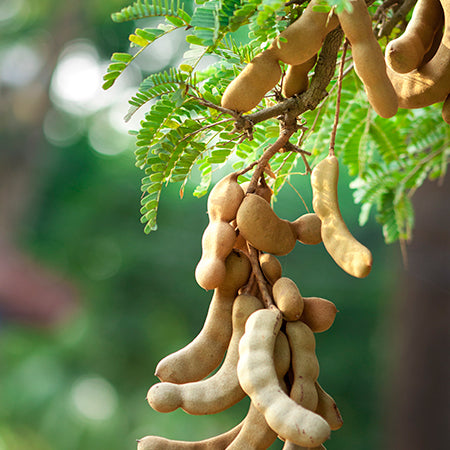
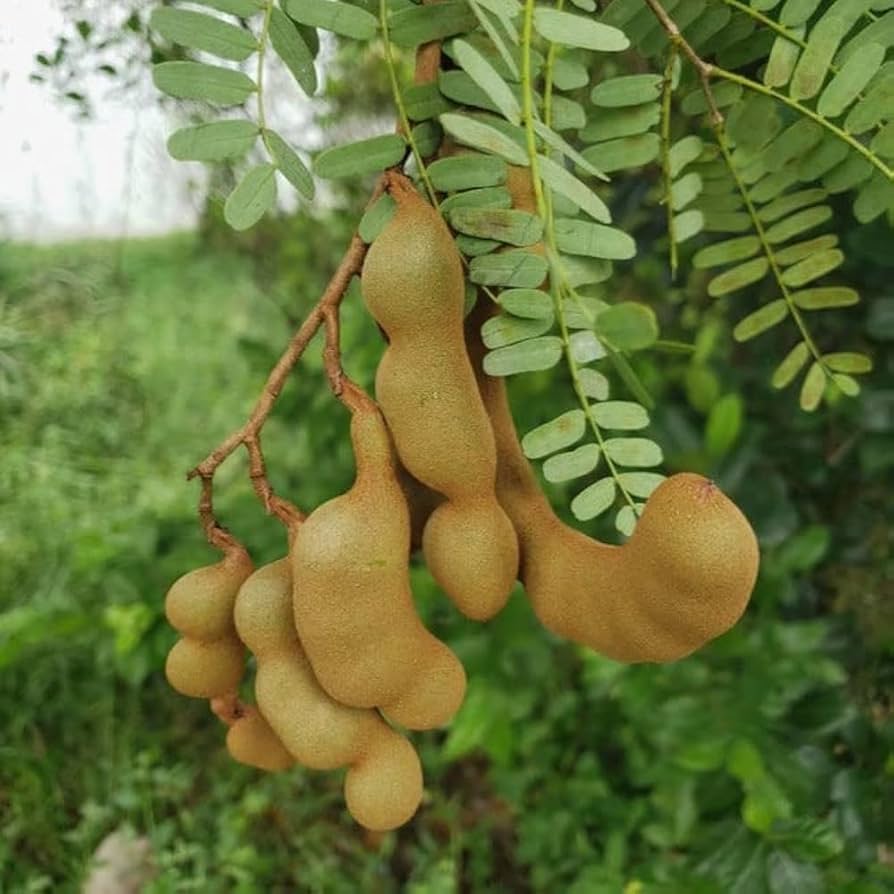


Imli Plant – Tamarind (Tamarindus indica)
The Imli Plant, scientifically known as Tamarindus indica, is a classic tropical fruit tree prized for its long brown pods filled with tangy-sweet pulp. Widely used in Indian cuisine for curries, chutneys, and beverages, tamarind also holds traditional value in home remedies and agroforestry.
What You’ll Receive
1 healthy live Tamarind (Imli) plant in a nursery pot
Well-rooted, ready for transplanting to ground or large container
Key Features
Culinary staple: Tangy pulp for chutneys, sambar, rasam, pickles, drinks
Hardy performer: Adapts to heat, dry spells, and varied soils once established
Long-lived shade tree: Broad canopy with attractive, feathery foliage
Traditional uses: Known in Ayurveda and folk practices
Care Tips
Sunlight: Full sun (6–8+ hours) for best growth and yield
Watering: Moderate; allow the topsoil to dry slightly between waterings
Soil: Well-drained sandy loam or loamy soil; avoid waterlogging
Feeding: Add compost or a balanced fruit-tree fertilizer during active growth
Pruning: Light pruning to shape the canopy and remove weak or crossing branches
Placement Suggestions
Plant in open ground with ample space—Imli becomes a large tree over time
Suitable for orchards, farm boundaries, and large home gardens
Container culture only for juvenile stage; plan to ground it for long-term growth
Common Questions & Answers
Q: When will it start fruiting?
A: Seed-grown tamarind typically fruits in several years; timing varies by climate and care.
Q: Does it tolerate drought?
A: Yes—once established, tamarind is relatively drought-tolerant but benefits from periodic deep watering.
Q: Can it grow in coastal areas?
A: Generally yes; it copes well with heat and moderate salinity if soil drains well.
Notes
Growth and leaf size may vary with season, light, and local conditions
Handle young plants gently while transplanting to avoid root damage


Reviews
Clear filtersThere are no reviews yet.