






Bottle Brush – Callistemon
As a frost tolerant and woody plant, bottlebrushes are attractive options for home gardeners. Since they also tolerate drought and damp conditions well, they are showcased throughout landscaped lawns and gardens all over the world. The flower spikes are colorful and full of texture, and the leaves of some bottlebrush varieties are ornamental as well. Since the average lifespan for bottlebrushes is twenty to forty years, they promise beauty and blooms for many years. Although the woody shrub is low maintenance, proper care can help to ensure it continues blooming to its fullest each year.
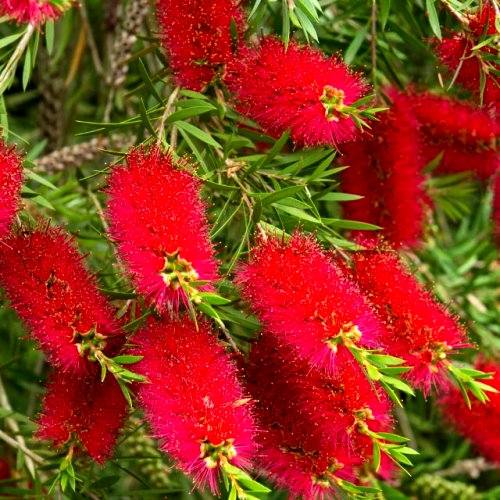
Bottlebrush plants (Callistemon spp.) get their name from the spikes of flowers that bloom at the ends of the stems, bearing a strong resemblance to a bottle brush. Grow them as shrubs or small trees that grow up to 15 feet. Most bottlebrush varieties bloom over a long summer season in shades of red or crimson. One exception is C. sieberi, which has light yellow flower spikes.
Bottlebrush plants need a very mild climate. If you live in an area cooler than U.S. Department of Agriculture plant hardiness zones 8b through 11, grow bottlebrush in pots that you can move to a protected area for winter. Use a rich, peaty potting soil with a few handfuls of sand added to improve the drainage. If pruned hard every year, the plants will grow in pots as small as 6 to 8 inches in diameter. If you plan to let the shrub grow, you’ll need a large tub.
How to Grow a Bottlebrush Outdoors, plant bottlebrush shrubs in a sunny location. The plants aren’t picky about the soil type as long as it is well drained. If the soil is very poor, enrich with compost at planting time. Once established, bottlebrush plants tolerate drought and moderate salt spray.
Callistemon bottlebrush care consists of regular watering while the tree is young and annual fertilization until it matures. Water young trees weekly in the absence of rain, applying the water slowly to saturate the soil as deeply as possible. A layer of mulch over the root zone will slow the evaporation of water and help prevent weeds. Use a 2-inch layer of shredded hardwood or bark or a 3- to 4-inch layer of light mulch such as pine straw, hay or shredded leaves.
Fertilize bottlebrush shrubs for the first time in their second spring. A 2-inch layer of compost over the root zone makes an excellent fertilizer for bottlebrush. Pull back the mulch before spreading the compost. If you prefer to use a chemical fertilizer, follow the instructions on the label.
Bottlebrush plant pruning is minimal. You can grow it as a shrub with several trunks or prune it back to a single trunk to grow it as a small tree. If you grow it as a tree, the drooping lower branches may need cutting back to allow for pedestrian traffic and lawn maintenance. The plant produces suckers that should be removed as soon as possible.
Planting Arrange to plant a bottlebrush shrub in full sun to maximize the amount of blooms and growth of the plant. Find a spot that receives at least 6 hours of sunlight a day for best results.
Choose a well-draining soil to plant the bottlebrush. Although bottlebrushes do well in a variety of soil types, they do not take kindly to alkaline type environments. Plant the seeds during spring or summer. Cuttings from mature bottlebrushes may also be used. Do not plant other flowers or plants within five feet of sowing the seed into the soil. Since bottlebrushes tend to expand and grow quite easily, give them room and resist planting other varieties of flowers too close.
Fertilizer Apply a low-phosphorus fertilizer to the soil in either the spring or fall. This gives the bottlebrush extra nutrients for a richer soil.
Mulching Add mulch around the base of the plant to retain soil moisture and to help prevent weeds from sprouting up. This needs to be done every
Pruning When the plant has produced flowers and is thriving, prune the bottlebrush back to desired size and shape. This must be done either early in the season before the flowers have bloomed or after the flowers are finishing. Cut the tips of the branches for early season pruning. Or you may choose to cut behind the finished flowers. Some flowers may have to be sacrificed in order to achieve a desired shape. Pruning helps to keep the shrub compact and attractive as well as encourage re-flowering throughout the season.
Water In extreme heat and dry conditions, give the bottlebrush a deep watering to ensure it prospers. Mulching can help keep out the intense heat in some regions as well. Otherwise, the bottlebrush does not require regular watering other than natural rainfall.
Considerations If bugs become a problem, use a repellent spray which can be found in most garden centers. The bottlebrush is an excellent low-maintenance plant that, with a little care, will reward gardeners with beautiful displays each year.
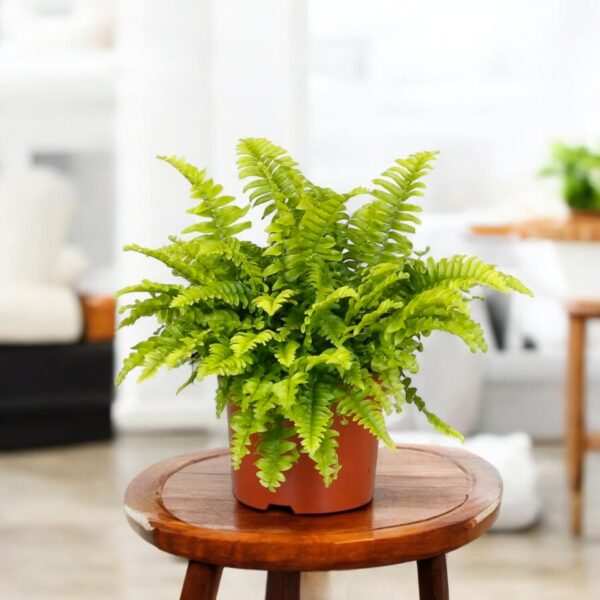
Boston Fern Plant
₹249.00
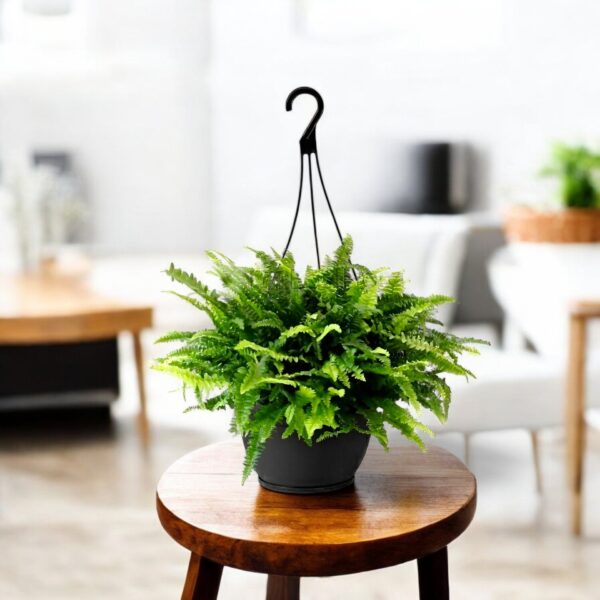
Boston Fern with Hanging Basket
Original price was: ₹599.00.₹399.00Current price is: ₹399.00.




Reviews
Clear filtersThere are no reviews yet.