







Mango Amrapali Plant (Grafted) – High-Yield Hybrid Mango
Basic Product Details
Scientific Name: Mangifera indica ‘Amrapali’
Common Names: Amrapali Mango, Grafted Mango Plant, Amba, Aam Amrapali
Plant Height: 24 inches (approximately)
Pot Size: 5-6 inch nursery pot
Plant Type: Perennial, Fruit-bearing, Grafted Variety
Soil Type: Well-draining, loamy, slightly acidic to neutral soil
Sunlight Requirement: Full sunlight
Product Overview
The Mango Amrapali (Grafted) Plant is a popular hybrid mango variety developed by crossing Dasheri and Neelum mangoes. Known for its compact growth, high yield, and deliciously sweet fruit, it is an ideal choice for home gardens, terrace gardening, and commercial farming. The Amrapali mango is fiberless, deep orange in color, and rich in flavor, making it a favorite among mango lovers. This grafted variety ensures faster fruiting, improved disease resistance, and superior-quality mangoes.
Features and Characteristics
Growth Habit
Semi-dwarf variety, perfect for small spaces and container gardening.
High-yield tree with dense foliage and compact structure.
Leaves & Flowers
Dark green, narrow leaves with a glossy appearance.
Produces fragrant yellowish-white flowers during the flowering season.
Fruits
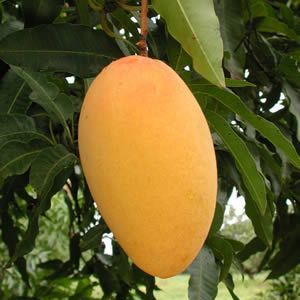
Medium-sized, oblong mangoes with a reddish tinge on ripening.
Juicy, sweet, and fiberless pulp with a rich aroma.
High pulp-to-seed ratio, making it a premium choice for fresh consumption.
Uses of Amrapali Mango
Culinary Uses
Perfect for fresh consumption, fruit salads, and juices.
Used in smoothies, milkshakes, ice creams, and desserts.
Ideal for making mango pulp, jams, and jellies.
Can be used in pickles and chutneys when raw.
Nutritional & Health Benefits
Rich in Vitamin A, C, and antioxidants, boosting immunity.
Supports digestion and gut health due to high fiber content.
Aids in hydration and skin health with essential nutrients.
Harvesting and Farming Details
Farming
Climate Requirements
Grows well in warm, tropical, and subtropical climates.
Requires ample sunlight and moderate humidity for optimal fruiting.
Soil
Thrives in well-draining, sandy-loamy soil with high organic content.
Avoid waterlogged or heavy clay soils to prevent root rot.
Planting Season
Best planted during spring or monsoon season for strong establishment.
Spacing
Maintain 8-10 feet distance between plants for healthy growth and air circulation.
Harvesting
Starts fruiting within 3-4 years due to grafting.
Harvest when mangoes turn reddish-orange and emit a sweet aroma.
Ensure gentle handling to avoid bruising the delicate fruit.
Care Tips
Light
Requires full sunlight (at least 6-8 hours daily) for best growth and fruiting.
Watering
Water deeply once a week, keeping the soil moist but not soggy.
Reduce watering in winters and monsoons to prevent overwatering issues.
Fertilizer
Apply organic compost and balanced NPK fertilizers every month.
Use potassium and phosphorus-rich supplements to enhance fruit production.
Pruning
Regular pruning improves air circulation, controls tree height, and boosts yield.
Remove dead or weak branches to encourage healthy growth.
Pest Control
May be affected by mango hoppers, mealybugs, and fungal infections.
Use neem oil spray or organic pesticides for effective pest management.
Benefits of Growing Amrapali Mango
Health & Wellness Benefits
Homegrown, chemical-free mangoes packed with essential nutrients.
Supports immune function, digestion, and overall wellness.
Economic Benefits
High-yield variety, making it a profitable option for commercial farming.
Fruits are in high demand due to their excellent taste and quality.
Environmental Benefits
Improves air quality and provides shade, beneficial for urban settings.
Attracts pollinators, supporting biodiversity in the garden.
Placement Suggestions
Ideal for home gardens, terrace gardens, and small backyards.
Grows well in large pots (15-20 inches wide) on balconies and patios.
Suitable for orchards and greenhouse farming.
Common Questions and Answers About Amrapali Mango
How long does it take for the Amrapali Mango plant to bear fruit?
Being a grafted variety, it starts fruiting within 3-4 years under proper care.
Can Amrapali Mango be grown in pots?
Yes, it thrives well in large containers (15-20 inches wide) with proper sunlight.
How often should I water the plant?
Water once a week, ensuring the soil remains moist but not waterlogged.
Does Amrapali Mango need full sunlight?
Yes, it requires at least 6-8 hours of direct sunlight daily for optimal growth.
When is the best time to harvest Amrapali Mango?
Harvest when mangoes turn reddish-orange and develop a sweet fragrance.
How do I prevent pests on my mango plant?
Use neem oil spray or mild organic pesticides to control common mango pests.
What is the best fertilizer for Amrapali Mango?
Use organic compost, NPK 10-10-10, and micronutrient-rich supplements for healthy growth.
Can I grow Amrapali Mango indoors?
It is best grown outdoors in full sunlight, but can be kept near a bright window if necessary.
Why are my mango leaves turning yellow?
Yellowing leaves can be due to overwatering, nutrient deficiency, or lack of sunlight. Ensure proper drainage, balanced fertilization, and sun exposure.
The Mango Amrapali (Grafted) Plant is a high-yielding, premium mango variety, perfect for home and commercial cultivation. Order now and enjoy the delicious, fiberless Amrapali mangoes from your garden!
-17%




Reviews
Clear filtersThere are no reviews yet.