


Adulsa Plant (Vasa, Vasaka, Malabar Nut)
Basic Product Details
Scientific Name: Justicia adhatoda
Common Names: Adulsa, Vasa, Vasaka, Malabar Nut, Adusa, Arusha Plant
Plant Height: 12-24 inches (approximately)
Pot Size: 4-5 inch nursery pot
Plant Type: Perennial, Medicinal, Evergreen Shrub
Soil Type: Well-draining, loamy, slightly acidic to neutral soil
Sunlight Requirement: Full sunlight to partial shade
Product Overview
The Adulsa Plant (Vasa, Vasaka, Malabar Nut) is a well-known medicinal herb used in Ayurveda, Siddha, and Unani medicine for centuries. It is famous for its powerful respiratory and anti-inflammatory properties, making it a natural remedy for cough, asthma, bronchitis, and other respiratory ailments. The plant produces lush green leaves that are rich in alkaloids, particularly vasicine, which helps in clearing mucus and improving lung function.
Adulsa is easy to grow and thrives in tropical and subtropical climates. Its antibacterial and antioxidant properties also make it beneficial for skin health, wound healing, and overall immunity.
Features and Characteristics
Growth Habit
A bushy evergreen shrub that grows up to 4-6 feet tall.
Low maintenance and suitable for both gardens and containers.
Leaves & Flowers
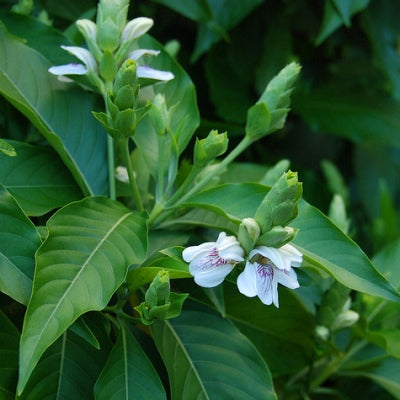
Dark green, elongated leaves with a glossy texture.
Produces white or pale purple tubular flowers with medicinal properties.
Medicinal Properties
Expectorant: Clears mucus and helps in treating cough.
Bronchodilator: Opens up airways, beneficial for asthma patients.
Antimicrobial: Fights infections and enhances immunity.
Anti-inflammatory: Reduces swelling and irritation in the respiratory tract.
Uses of Adulsa Plant
Traditional & Ayurvedic Uses
Used in Ayurvedic syrups and herbal decoctions for respiratory health.
Helps treat bronchitis, cold, flu, and sore throat.
Leaves are boiled in water and used as a herbal tea for cough relief.
Culinary & Herbal Uses
Dried leaves are used in herbal teas and tonics.
Sometimes used in homemade herbal formulations for immunity boosting.
Other Benefits
Helps detoxify the blood and improve skin health.
Used in folk medicine for wound healing and joint pain relief.
How to Grow & Care for Adulsa
Climate Requirements
Prefers warm, humid, tropical, and subtropical climates.
Can tolerate mild winters but needs protection from frost.
Soil
Grows best in well-draining, sandy-loamy soil with rich organic content.
Avoid waterlogged or heavy clay soil.
Watering
Water 2-3 times a week, keeping the soil moist but not soggy.
Reduce watering during winters.
Fertilizer
Apply organic compost or cow dung manure every month.
Use mild nitrogen-based fertilizer to promote leafy growth.
Pruning
Regular pruning encourages bushy growth and better leaf production.
Remove dry and damaged leaves to maintain plant health.
Pest & Disease Control
May be affected by aphids, mealybugs, or fungal infections.
Use neem oil spray or mild organic pesticides for protection.
Benefits of Growing Adulsa
Health & Wellness Benefits
Improves respiratory health and relieves congestion.
Supports immune function and overall wellness.
Economic Benefits
High-demand medicinal plant used in herbal industries.
Easy to grow and low maintenance for commercial cultivation.
Environmental Benefits
Enhances biodiversity by attracting beneficial insects.
Acts as a natural air purifier in home gardens.
Placement Suggestions
Ideal for medicinal gardens, balconies, and home herbal corners.
Suitable for potted plants (8-12 inches wide) in semi-shaded areas.
Can be planted in hedges or alongside other herbal plants.
Common Questions and Answers About Adulsa
Where can I buy Adulsa plant?
You can buy Adulsa plant from our online store plantsguru or a local nursery near you. At Plantsguru, we offer healthy, potted Adulsa (Vasaka) plants.
How long does it take for the Adulsa plant to grow?
Adulsa grows quickly and reaches maturity within 6-12 months under good care.
Can Adulsa be grown in pots?
Yes, it thrives well in medium to large-sized pots (8-12 inches) with proper drainage.
How often should I water the plant?
Water 2-3 times a week, ensuring the soil remains moist but not waterlogged.
Does Adulsa require full sunlight?
Yes, it prefers full sunlight to partial shade for optimal growth.
How can I use Adulsa leaves for cough?
Boil fresh leaves in water and drink as herbal tea or mix the extract with honey.
Is Adulsa safe for children?
Yes, but it should be used in moderation and under medical guidance.
How do I prevent pests on my Adulsa plant?
Use neem oil spray or organic pesticides to protect against common pests.
What is the best fertilizer for Adulsa?
Use organic compost, vermicompost, or mild nitrogen-based fertilizers.
Can I grow Adulsa indoors?
It is best grown outdoors in full sunlight but can be kept in a bright, ventilated indoor space.
The Adulsa Plant (Vasa, Vasaka, Malabar Nut) is a powerful herbal remedy for respiratory health and an excellent addition to home gardens. Order now and enjoy the benefits of natural healing with this Ayurvedic wonder plant!
Note: It is strongly recommended to consult with a qualified healthcare professional before consuming Adulsa Plant.
Adenium White Double Petal – Bonsai-Like Outdoor Flower Plant
Original price was: ₹649.00.₹599.00Current price is: ₹599.00.
Aeonium 'Kiwi' - Haworthii 'Dream Color' Succulent Plant
Original price was: ₹54,900,549.00.₹549.00Current price is: ₹549.00.
-17%




Reviews
Clear filtersThere are no reviews yet.